- 0 views
- By Caroline McNally
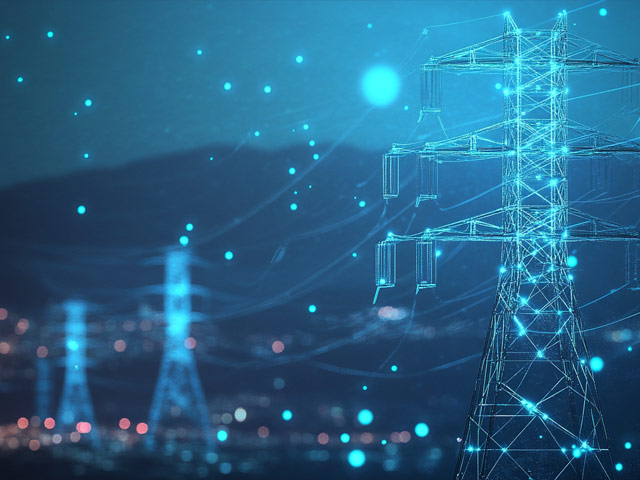
The utility sector is undergoing a transformative evolution, driven by technological advancements and the integration of artificial intelligence (AI). This shift is leading to the development of smart utilities that are more efficient, resilient, and responsive to the dynamic demands of modern society.
The Rise of Smart Grids
Traditional power grids are being upgraded to smart grids, incorporating digital technologies to enhance the monitoring and management of electricity flow. By deploying sensors and automation devices across transmission and distribution lines, utilities can optimize voltage levels, reduce energy losses, and quickly identify outages or areas needing maintenance. For instance, FirstEnergy implemented an advanced metering platform, installing over two million digital meters, which is projected to save approximately $400 million through improved meter reading and grid management.
AI’s Impact on Energy Management
AI is playing a pivotal role in revolutionizing energy management within utilities. At events like Climate Week 2024, industry leaders have emphasized AI’s potential to enhance sustainability and efficiency in energy systems. Companies like NVIDIA advocate for AI’s application in optimizing energy consumption and integrating renewable sources, while organizations like Siemens highlight the necessity of combining AI with other technologies to achieve comprehensive improvements in the energy grid.
Enhancing Grid Capacity with Innovative Technologies
To meet the increasing electricity demand, partly driven by the growth of AI and data centers, utilities are investing in technologies that enhance grid capacity. Smart Wires, for example, offers power-flow control systems that redirect electricity from congested lines to underutilized ones, thereby optimizing the existing infrastructure without the need for extensive physical expansions. This approach not only addresses capacity challenges but also aligns with the industry’s move towards more sustainable practices.
Virtual Power Plants and Decentralized Energy Resources
The concept of virtual power plants (VPPs) is gaining traction as a means to enhance grid resilience and integrate renewable energy sources. By aggregating decentralized energy resources, such as residential solar panels and batteries, VPPs can provide reliable power back to the grid during peak demand periods or outages. For instance, homeowners with battery-integrated solar systems can maintain power during local outages and contribute excess energy to the grid, thereby supporting overall stability and efficiency.
The Path Forward
As the utility sector continues to evolve, embracing technological innovations like AI, smart grids, and VPPs will be crucial in meeting future energy demands. These advancements not only improve operational efficiency but also promote sustainability and resilience, ensuring that utilities can adapt to the changing landscape and continue to provide reliable services to consumers.
Ensure the integrity of your infrastructure with cutting-edge utility technology. Maverick Corporation stays ahead of industry advancements to keep your systems reliable and resilient. Contact us today to schedule an inspection and ensure your project is blackout-ready with the latest innovations in utility maintenance.


Related articles and news
 Utility Workers
 Powering the Future: Scholarships and Career Paths in the Energy Sector
The energy sector is undergoing one of the most dynamic transformations in decades. As regions like New York and Massachusetts push toward cleaner, mo …
Read more Utilities Technology
 Utilities Tech to Watch in 2026: How 3D Intelligence and Advanced Analytics Are Re-Shaping the Grid
The utilities industry is heading into 2026 with a rare combination of pressure and opportunity. Rising electricity demand from electrified transporta …
Read more