- 0 views
- By Caroline McNally
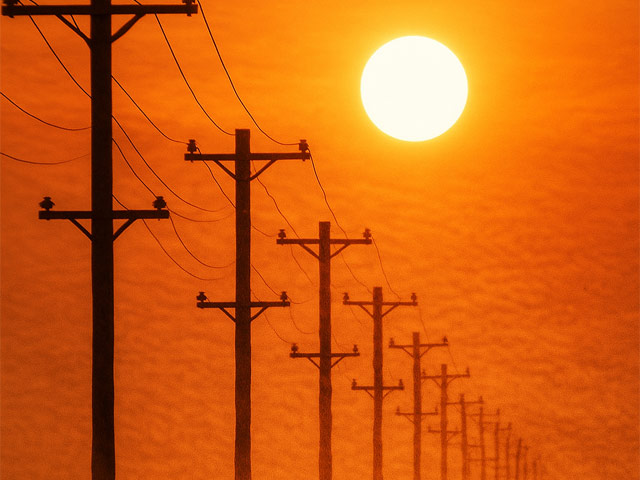
Spring is in full swing, but it won’t be long before summer makes its entrance—with rising temperatures, relentless humidity, and the kind of weather that tests not only our patience but also the resilience of our utility systems. As we crank up our air conditioners and escape the sun’s intensity, what we often don’t see is the silent struggle happening behind the scenes: the electric grid being pushed to its limits.
Every summer, heatwaves roll in with increasing frequency and intensity, setting new temperature records and placing enormous stress on our energy infrastructure. But it’s not just about demand—it’s also about the way heat and other extreme weather events compromise how our utilities function in the first place.
- Heat Increases Demand—and Strains Supply
Hot weather leads to a surge in electricity use, especially from air conditioning. This spike in demand causes utilities to run power plants longer and harder, sometimes beyond their optimal capacity. As a result, not only does electricity become more expensive during peak hours, but utilities may also need to activate less-efficient and more-polluting backup sources to keep up. The result? Higher emissions and bigger bills.
Meanwhile, extreme heat doesn’t just make us use more electricity—it also reduces the efficiency of the grid itself. Transmission lines carry less power when temperatures soar, and power plants—especially those relying on water for cooling—can lose performance or even be forced offline when water temperatures rise or drought conditions limit availability.
- Heat Isn’t the Only Villain—Storms and Wildfires Pile On
Summer weather brings more than just heat. Severe storms, hurricanes, and wildfires are also becoming more frequent and destructive, and they hit utility grids where it hurts. High winds and lightning can knock down poles, damage substations, or topple power lines, causing widespread outages.
Wildfires pose a particularly grim threat. In fire-prone regions, utilities must sometimes shut down portions of the grid preemptively to prevent sparks from igniting dry landscapes—a practice known as Public Safety Power Shutoffs (PSPS). While this helps reduce fire risk, it also means communities can be left without power for hours or days during sweltering heat.
- Aging Infrastructure Under Pressure
Much of our utility infrastructure wasn’t built to handle the modern challenges of a hotter, more volatile climate. Power lines, transformers, and substations are aging, and many are ill-equipped to withstand the dual threats of rising demand and harsher environmental conditions.
Materials degrade faster in extreme heat, especially older components. Utility poles can warp, expand, or weaken under prolonged high temperatures. Add in storms and flooding, and the risk of outages multiplies.
Looking Ahead
The reality is that summer’s extreme weather has become more than an inconvenience—it’s now a serious threat to the reliability, affordability, and sustainability of our power systems. Utilities are adapting, but the pace of change must accelerate to meet the growing challenges.
As consumers, we can also play a part: by improving home energy efficiency, investing in backup solutions like solar and battery storage, and supporting policies that modernize and fortify the grid.
Summer may bring sunshine and vacations, but it also brings new reasons to pay attention to what’s happening behind your thermostat. The next time you enjoy a cool blast of AC, consider what it takes to keep that power flowing—and why it’s worth protecting.
Ensure the integrity of your infrastructure with cutting-edge utility technology. Maverick Corporation stays ahead of industry advancements to keep your systems reliable and resilient. Contact us today to schedule an inspection and ensure your project is blackout-ready with the latest innovations in utility maintenance.


Related articles and news
 Utility Workers
 Powering the Future: Scholarships and Career Paths in the Energy Sector
The energy sector is undergoing one of the most dynamic transformations in decades. As regions like New York and Massachusetts push toward cleaner, mo …
Read more Utilities Technology
 Utilities Tech to Watch in 2026: How 3D Intelligence and Advanced Analytics Are Re-Shaping the Grid
The utilities industry is heading into 2026 with a rare combination of pressure and opportunity. Rising electricity demand from electrified transporta …
Read more