- 0 views
- By Caroline McNally
Why predictive maintenance matters now
Utilities are under increasing pressure from aging infrastructure, rising electricity demand, and more frequent extreme weather events. Traditional maintenance strategies—reactive repairs after failures or rigid time-based inspections—are no longer sufficient to keep systems reliable. Predictive maintenance offers a smarter alternative by identifying early warning signs of equipment degradation before outages occur, allowing utilities to act proactively rather than scrambling during emergencies.
- What predictive maintenance looks like in practice
Predictive maintenance combines field sensors, operational data, and machine learning models to monitor the real condition of grid assets. Transformers, substations, and transmission lines can be equipped with temperature, vibration, and electrical sensors that continuously stream data. Machine learning models analyze this information alongside historical maintenance records to detect abnormal behavior, flag emerging risks, and estimate the likelihood of failure over time.
- Turning raw data into actionable insights
The real value of predictive maintenance lies in converting massive data streams into clear, prioritized actions. Instead of overwhelming operators with alerts, modern systems rank assets by risk and recommend targeted inspections or repairs. This allows engineering teams to focus resources on the most critical issues first, improving response times while reducing unnecessary maintenance work across healthy equipment.
- Reliability gains customers can feel
When predictive maintenance works, customers experience fewer and shorter outages. Early detection of failing components helps utilities replace or repair equipment during planned maintenance windows instead of during peak demand or severe weather. By preventing cascading failures, predictive maintenance also improves overall grid resilience, keeping homes, businesses, and essential services powered when reliability matters most.
- Challenges utilities must overcome
Despite its promise, predictive maintenance is not a plug-and-play solution. Many utilities operate legacy systems that were never designed to share data seamlessly. Inconsistent sensor coverage, data quality issues, cybersecurity concerns, and workforce training gaps can slow adoption. Successful programs require close collaboration between data teams, engineers, and field crews to ensure predictions are accurate and trusted.
- How engineers can build successful programs
Utilities that succeed with predictive maintenance typically start small. Piloting the approach on a limited set of high-value assets allows teams to refine data collection, validate model predictions, and demonstrate return on investment. Combining physics-based engineering knowledge with machine learning improves accuracy, while clear workflows ensure insights lead to real-world action. Human oversight remains critical, especially for safety-critical decisions.
- The future of grid maintenance
As power grids become more complex and digitally connected, predictive maintenance will be a cornerstone of modern utility engineering. Machine learning will continue to evolve alongside advanced sensors, drones, and digital twins, creating a more intelligent and adaptive grid. Utilities that embrace predictive maintenance today position themselves for a future with fewer outages, lower costs, and stronger customer trust.
Operational Benefits for Utility Providers
From a utility perspective, smart meters dramatically improve field operations. Crews no longer need to conduct routine manual meter readings, freeing them to focus on higher-priority maintenance and emergency response. The meters’ real-time communication also enables faster outage detection and helps pinpoint whether an issue originates from utility equipment or the customer’s wiring. These improvements enhance reliability while reducing operational costs over time.
Empowering Homeowners With Better Energy Insight
For homeowners, smart meters provide access to near-real-time usage information, often through online portals or mobile apps. This level of transparency can help customers understand their energy habits, identify inefficient appliances, and adjust behavior to lower monthly bills. The shift also helps eliminate estimated billing issues, since readings are transmitted automatically instead of manually collected.
Technical and Billing Challenges
Despite their advantages, the transition to smart meters has not been without complications. In some reported cases, wiring issues inside a home caused meters to report inaccurate usage — even showing zero consumption despite active appliances. Problems like reversed polarity or outdated electrical panels can cause meters to misread data, leading to customer confusion and the possibility of later billing corrections. These situations highlight the importance of careful inspection and responsive customer service during rollout.
Safety Concerns and Installation Risks
Some homeowners have expressed concern over potential electrical or fire risks associated with poor meter-to-socket fit or overheating components. In certain regions, installations have been performed by contractors rather than licensed electricians, raising questions about standardized training and safety practices. For utility companies, ensuring proper installation and verifying the condition of customer meter sockets becomes essential to prevent equipment failure or liability issues.
Privacy and Cybersecurity Considerations
Smart meters are networked devices, which introduces new cybersecurity responsibilities for utilities. Protecting usage data, securing communication channels, and preventing meter tampering are all critical components of a safe rollout. Homeowners may also worry about the level of detail collected, since usage patterns can theoretically reveal occupancy and lifestyle habits. Utilities must provide clear, transparent explanations of how data is stored and protected.
Moving Forward With Transparency and Support
The success of smart meter deployment depends on clear communication, strong technical support, and ongoing engagement with customers. Utilities must ensure accurate installations, provide rapid response to billing questions, and maintain strict data-security standards. For homeowners, monitoring early usage reports and reporting anomalies promptly can help ensure a smooth transition. When done right, the rollout benefits both sides: a more reliable grid for utilities and more control and clarity for consumers.
If you’re seeking a trusted partner for utility construction, inspection, and ongoing maintenance, Maverick Utility Services delivers comprehensive solutions for both electrical and communications utilities. As a leading provider in the utility services industry, we support infrastructure reliability through expert field crews, proven processes, and a commitment to safety and compliance.
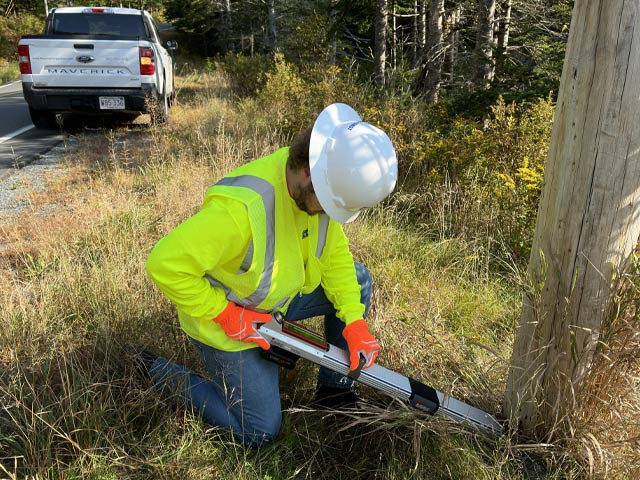
Our team offers full turn-key inspection services for wood, concrete, and steel utility structures, powered by our robust Treat & Test Program. From asset audits and pad-mount equipment inspections to vault, manhole, and conduit inspections, we help utilities identify risks early, extend asset life, and maintain system integrity across their networks.
To learn more about our utility construction capabilities, preventive maintenance programs, or infrastructure inspection services, contact Maverick Utility Services today. We work alongside utilities to ensure dependable performance, regulatory readiness, and long-term resilience of critical electrical and communications systems.


Related articles and news
 Utility Workers
 Powering the Future: Scholarships and Career Paths in the Energy Sector
The energy sector is undergoing one of the most dynamic transformations in decades. As regions like New York and Massachusetts push toward cleaner, mo …
Read more Utilities Technology
 Utilities Tech to Watch in 2026: How 3D Intelligence and Advanced Analytics Are Re-Shaping the Grid
The utilities industry is heading into 2026 with a rare combination of pressure and opportunity. Rising electricity demand from electrified transporta …
Read more