- 0 views
- By Caroline McNally
A New Phase of Grid Modernization
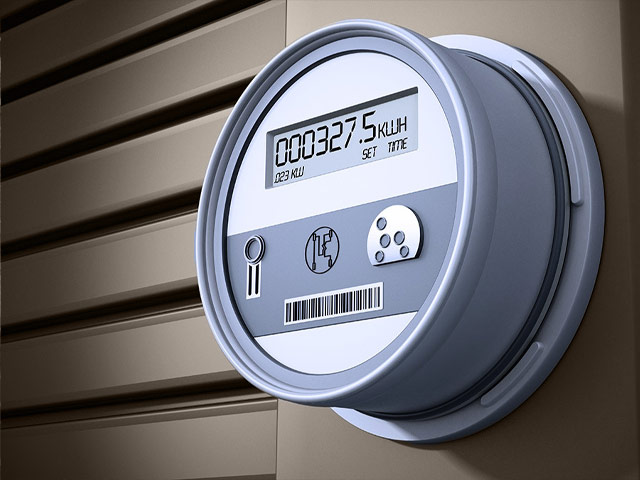
Electric utilities across the region are entering a new era with the rollout of smart meters, a major component of Advanced Metering Infrastructure. These upgraded meters replace aging equipment and introduce two-way communication that gives utilities a clearer view of what’s happening on the grid. For electric service companies, this shift represents a significant step toward modernization, resilience, and more efficient energy distribution.
Operational Benefits for Utility Providers
From a utility perspective, smart meters dramatically improve field operations. Crews no longer need to conduct routine manual meter readings, freeing them to focus on higher-priority maintenance and emergency response. The meters’ real-time communication also enables faster outage detection and helps pinpoint whether an issue originates from utility equipment or the customer’s wiring. These improvements enhance reliability while reducing operational costs over time.
Empowering Homeowners With Better Energy Insight
For homeowners, smart meters provide access to near-real-time usage information, often through online portals or mobile apps. This level of transparency can help customers understand their energy habits, identify inefficient appliances, and adjust behavior to lower monthly bills. The shift also helps eliminate estimated billing issues, since readings are transmitted automatically instead of manually collected.
Technical and Billing Challenges
Despite their advantages, the transition to smart meters has not been without complications. In some reported cases, wiring issues inside a home caused meters to report inaccurate usage — even showing zero consumption despite active appliances. Problems like reversed polarity or outdated electrical panels can cause meters to misread data, leading to customer confusion and the possibility of later billing corrections. These situations highlight the importance of careful inspection and responsive customer service during rollout.
Safety Concerns and Installation Risks
Some homeowners have expressed concern over potential electrical or fire risks associated with poor meter-to-socket fit or overheating components. In certain regions, installations have been performed by contractors rather than licensed electricians, raising questions about standardized training and safety practices. For utility companies, ensuring proper installation and verifying the condition of customer meter sockets becomes essential to prevent equipment failure or liability issues.
Privacy and Cybersecurity Considerations
Smart meters are networked devices, which introduces new cybersecurity responsibilities for utilities. Protecting usage data, securing communication channels, and preventing meter tampering are all critical components of a safe rollout. Homeowners may also worry about the level of detail collected, since usage patterns can theoretically reveal occupancy and lifestyle habits. Utilities must provide clear, transparent explanations of how data is stored and protected.
Moving Forward With Transparency and Support
The success of smart meter deployment depends on clear communication, strong technical support, and ongoing engagement with customers. Utilities must ensure accurate installations, provide rapid response to billing questions, and maintain strict data-security standards. For homeowners, monitoring early usage reports and reporting anomalies promptly can help ensure a smooth transition. When done right, the rollout benefits both sides: a more reliable grid for utilities and more control and clarity for consumers.


Related articles and news
 Utility Workers
 Powering the Future: Scholarships and Career Paths in the Energy Sector
The energy sector is undergoing one of the most dynamic transformations in decades. As regions like New York and Massachusetts push toward cleaner, mo …
Read more Utilities Technology
 Utilities Tech to Watch in 2026: How 3D Intelligence and Advanced Analytics Are Re-Shaping the Grid
The utilities industry is heading into 2026 with a rare combination of pressure and opportunity. Rising electricity demand from electrified transporta …
Read more